

2025-08-01 09:20:12
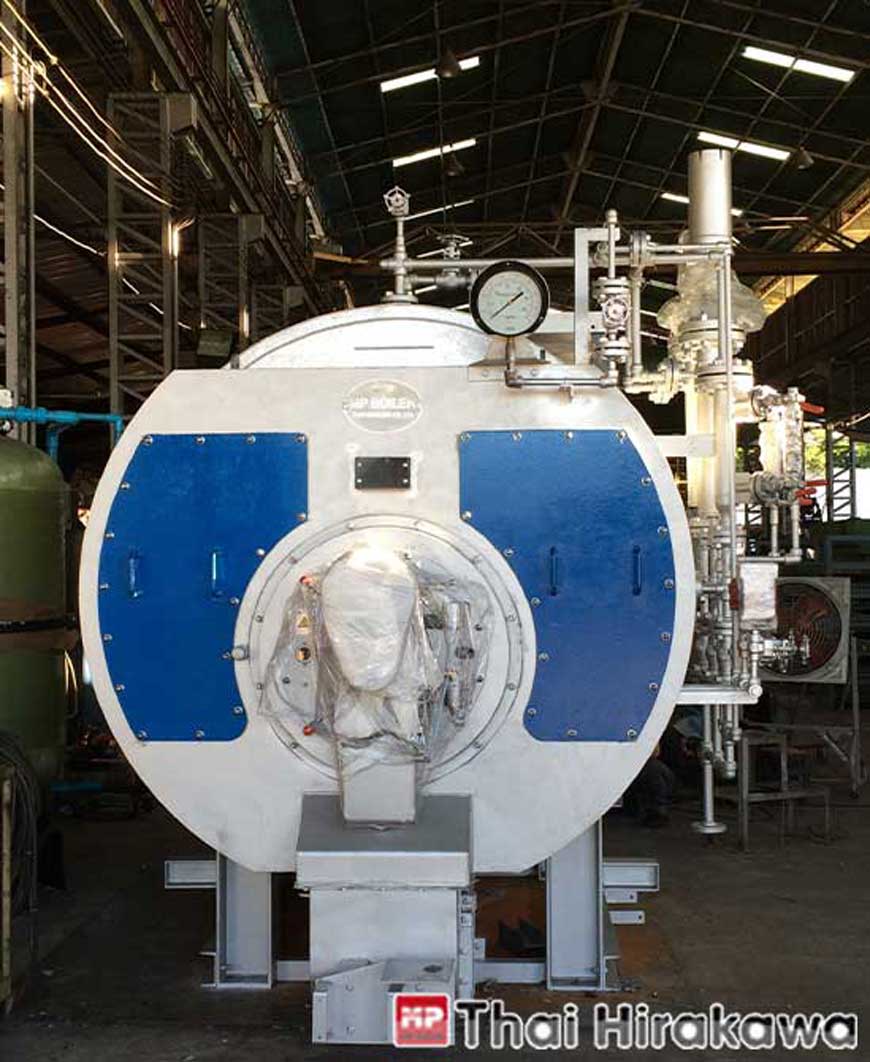
What Is a Steam Boiler?
A steam boiler is a system designed to produce steam by heating water using energy from fuel sources such as oil, natural gas, coal, or biomass. When the water reaches a high enough temperature, it turns into high-pressure steam, which is then used to power various industrial processes.
Steam boilers play a vital role in industries that rely on heat, pressure, or both to keep production running efficiently.
How a Steam Boiler System Works
A steam boiler works by heating water inside the boiler until it becomes steam. This steam is then delivered to machines or production lines that require heat or pressure to operate. In many factories, steam is one of the most important energy sources supporting daily operations.
In general, steam boilers are classified into two main types:
-
Fire Tube Boilers
Hot gases flow through tubes that are surrounded by water. This type is commonly used for small to medium-scale applications. -
Water Tube Boilers
Water flows inside the tubes while heat is applied from the outside. This design supports higher pressures and is better suited for large-scale industrial use.
Advantages of Using Steam Boilers in Industry
Steam boilers are widely used because they are reliable and efficient over the long term. They make good use of fuel, helping businesses reduce operating costs while maintaining consistent performance.
Another major benefit is their ability to deliver stable steam pressure and temperature. This is especially important for production processes that require precise control, such as food processing, textiles, chemicals, and pharmaceuticals.
Modern steam boiler systems are also built with safety and automation in mind. They are easier to operate, require less manual intervention, and comply with strict industrial safety standards.
Why Modern Factories Prefer Steam Boilers
Many factories choose steam boilers because they integrate well with modern manufacturing systems. Today’s boilers can be connected to digital controls, allowing real-time monitoring and data analysis to improve efficiency and reliability.
Steam boilers also support sustainability goals. By using cleaner fuels and optimized combustion technology, they help reduce carbon emissions. Built-in monitoring and alert systems further minimize unplanned downtime, keeping production on schedule.
Maintenance is also more manageable, as operators can track system performance and address potential issues early—before they turn into major problems.
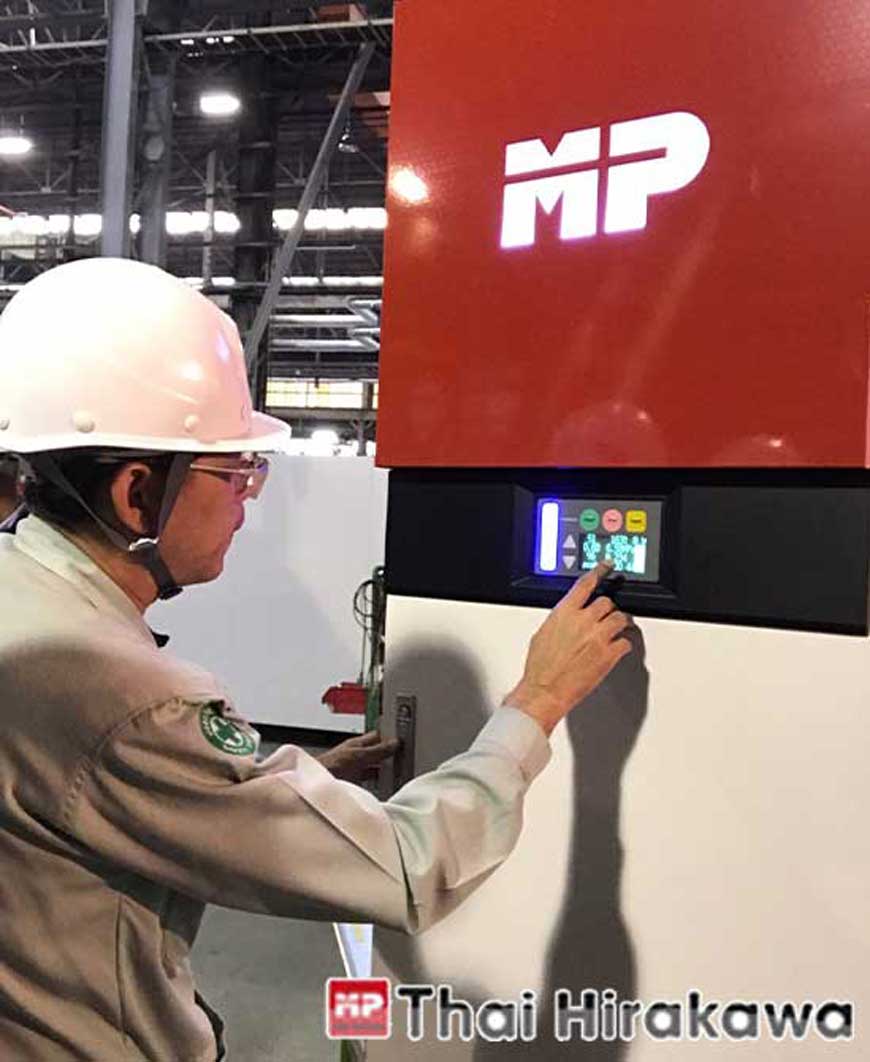
How to Choose the Right Steam Boiler
Choosing the right steam boiler depends on several factors, including required steam capacity, factory size, budget, and safety requirements. Since every facility operates differently, selecting the right boiler can have a significant impact on efficiency and long-term operating costs.
Working with experienced boiler specialists is often the best approach. Professional guidance helps ensure that the selected steam boiler matches your production needs and delivers reliable performance for years to come.
Examples of Industries That Use Steam Boiler Systems
- Food industry: for steaming or sterilizing
- Textile industry: for dyeing and bleaching processes
- Paper mills: for paper drying
- Pharmaceutical and chemical industries: for cleanliness control
- Small-scale power plants: for driving turbines with steam
Conclusion
Steam Boiler is a crucial system in modern manufacturing with high efficiency, easy control, energy savings, and enhanced safety. Industrial factories seeking to reduce costs and increase production quality are increasingly adopting this system. If you're looking for a boiler system that offers performance and future-readiness, the Steam Boiler is the answer.
Consult an expert for the most efficient investment. Call +668 1854 7677